Tomoe River Paper: Best Pens and Inks to Pair With It
Affiliate Disclosure: This site contains affiliate links. If you make a purchase through these links, we may earn a commission at no extra cost to you.
Tomoe River is a 52 gsm Japanese paper that handles fountain pen ink better than papers three times its weight. Ballpoints and gel pens work on it immediately. Fountain pens and sheening inks are where it earns its reputation, as long as you respect the drying time. Everything else depends on which Tomoe River you have, because the paper changed hands in 2021.
This guide covers what the paper is, what changed when Sanzen took over production, and which pens and inks get the most out of it. No invented lab tests here: the pen behavior below comes from Hobonichi's own published tests and a technical comparison of the old and new paper.
What is Tomoe River paper?
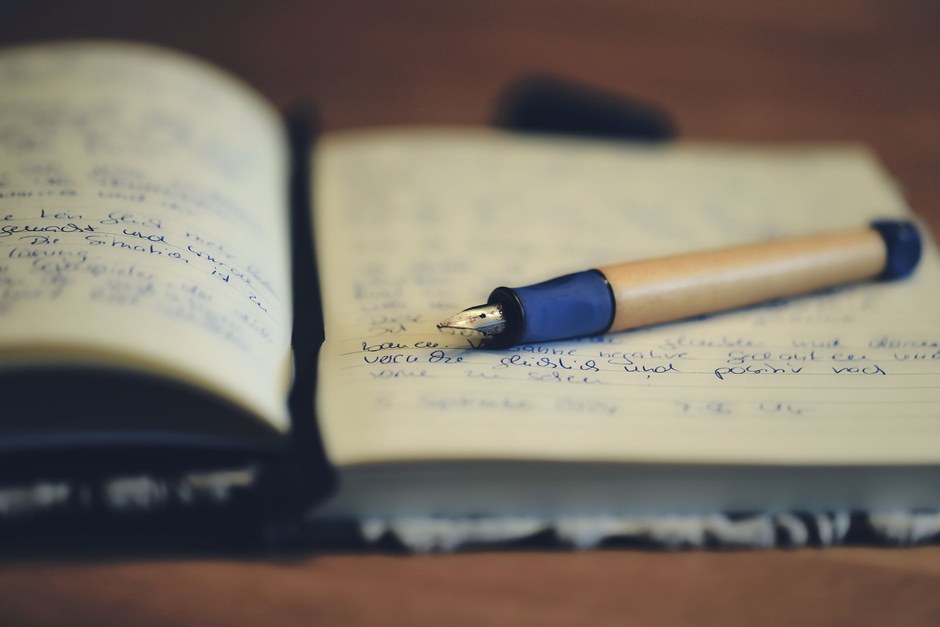
Tomoe River started life as ultra-lightweight printing paper. Tomoegawa, a Japanese paper company, made it for jobs like thick catalogs where every gram of paper adds to the postage bill. At 52 gsm it is barely thicker than Bible paper, yet a surface coating keeps liquid ink sitting on top instead of soaking through.
That odd combination, thinner than almost anything and friendlier to fountain pens than almost anything, made it famous far beyond printing. It became the paper inside the Hobonichi Techo, and a byword among fountain pen users for ink shading and sheen.
Then came the plot twist. In November 2021 Tomoegawa stopped manufacturing Tomoe River and transferred the trademark, sales contract and production to Sanzen Paper Manufacturing in Kanazawa. The paper was not discontinued. It changed mills.
Hobonichi introduced the Sanzen-made version as "Tomoe River S" with the Hobonichi Techo 2024 lineup (the Weeks followed from its April-start edition). So any Tomoe River discussion today is really two discussions: the remaining original Tomoegawa stock, and the current Sanzen-made paper.
Original Tomoe River vs Tomoe River S: what actually changed
| Behavior | Original (Tomoegawa) | Tomoe River S (Sanzen) |
|---|---|---|
| Drying time | Very slow; a saturated broad nib can take most of a minute | Measurably faster, roughly 10 to 20 percent in one technical comparison |
| Bleed-through | None with fountain pen ink | None; Hobonichi lists improved resistance |
| Show-through (ghosting) | High; the other side reads through clearly | Reduced, though still visible at 52 gsm |
| Surface feel | Glassy, almost slippery | Smooth with slightly more control |
| Crinkle after wet ink | Noticeable rippling | Reduced |
| Sheen and shading | Maximum; the reference point | Still excellent; strongest inks look identical |
Hobonichi's own announcement lists four changes for Tomoe River S: ink dries more quickly, the paper is more resistant to bleed-through, books are about 5 percent lighter on average, and the surface is smoother. A detailed technical comparison of the two 52 gsm papers adds sharper line edges and better resistance to finger oils on the new version.
The short version: if you loved the original for how ink looks on it, almost nothing you care about was lost. If the drying time drove you away, the new paper is worth another try.
The best pens for Tomoe River paper
Ballpoints: start with the Uni Jetstream. Hobonichi says the Jetstream was the benchmark pen when Tomoe River S was developed, which explains why it feels so at home on the paper. Oil-based ink dries fast and barely smudges, so it is the safest daily choice for a Hobonichi planner. See our gel pen guide for more quick-drying options.
Check Uni Jetstream pens on Amazon →
Gel pens: fine tips shine. Hobonichi's team liked the Pilot Hi-Tec-C Coleto in 0.3 mm on the new paper, and the logic holds for both generations: Tomoe River does not feather, so a fine gel tip keeps its crisp edge. Lines come out exactly as wide as the nib promises.
Fountain pens: the reason this paper is famous. Extra-fine and fine nibs are the sweet spot, especially on planner grids where a broad nib wastes the point of the paper. Hobonichi's testers recommended the Platinum Preppy in 0.3 mm, the Pilot Kakuno and the Pilot Custom 74 FM on Tomoe River S, praising quick drying and no feathering. A wet broad nib still writes beautifully but asks for patience while it dries. Our fountain pen guide covers nib sizes, and the Preppy review explains why that $5 pen keeps coming up.
Check Platinum Preppy prices on Amazon →
Brush pens and markers: fine, with a beat of patience. Hobonichi's tests included the Tombow Dual Brush Pen, Pentel Brush Touch and Kuretake Clean Color Dot, and the team singled out the faster drying on Tomoe River S as a genuine quality-of-life improvement for coloring planner pages. On the original paper, give each stroke a few seconds before you turn the page.
Pencils: no drama. Graphite sits happily on both versions. Hobonichi's testers found the Kuru Toga Advance felt crisper on the smoother new surface, which matches what the paper is designed to do.
The best inks for Tomoe River paper
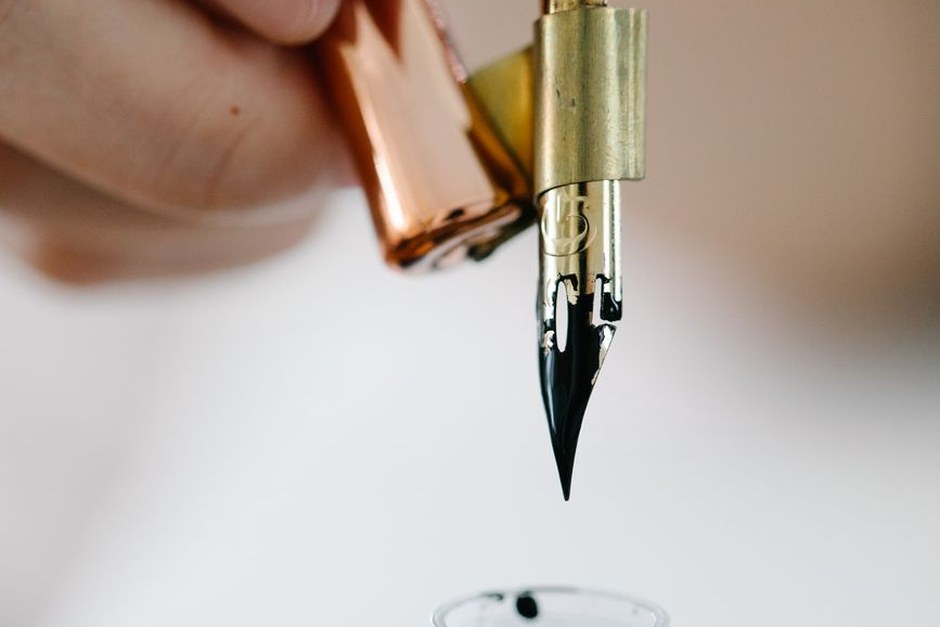
This is the paper that made ink sheen a hobby of its own. The coating keeps dye at the surface, so saturated inks dry in layers: the color pools unevenly for dramatic shading, and the most concentrated dyes crystallize into a metallic sheen that looks like a different color entirely. If you have ever wondered why people photograph their ink swatches, Tomoe River is usually the answer.
Shading and sheen survived the mill change. The technical comparison of old and new paper found shading statistically identical, and sheen on highly saturated inks indistinguishable. Moderately saturated inks may sheen a touch less on the new paper, a trade most writers will never notice against the faster drying.
For bottled ink, the well-known Japanese lines are the natural starting point: Pilot's Iroshizuku range is the obvious one, and Sailor's bottled inks have a following for exactly this kind of paper. Pick something saturated if you want to see what the fuss is about.
Browse Pilot Iroshizuku inks on Amazon →
For everyday planner writing, the practical recipe is different: a fine nib with a moderate, quicker-drying ink. Hobonichi's own paper advice is to test your pen on a less visible page first, and to keep blotting paper or a pencil board handy to prevent smudging. One more quirk from the technical analysis: finger oils can make ink skip on the original paper, so rest your hand on a spare sheet if your pen suddenly starts misbehaving.
What to watch out for
Ghosting is the price of thinness. At 52 gsm you will always see the other side of the page. Most Tomoe River fans treat it as part of the look. If it bothers you, the 68 gsm variant or a thicker paper like Midori MD will suit you better; our notebook guide compares those.
Drying time is real, even on the new paper. Tomoe River S is faster than the original but still slower than ordinary copy paper. Left-handed writers and page-turners should plan around it: finer nibs, quicker inks, blotting paper.
Wet pages crinkle. Heavy ink or watercolor will ripple the sheet as it dries. It flattens somewhat in a closed book but never completely. The new paper crinkles less, not zero.
Where to get Tomoe River paper
The easiest way to try it is a Hobonichi planner: the Original, Cousin and Weeks all use Tomoe River S in their current editions. Our Hobonichi 2027 guide breaks down the lineup, and Jibun Techo vs Hobonichi compares the paper with Kokuyo's alternative.
For standalone notebooks, Sakae TP sells Tomoe River S notebooks in A5 and other sizes with blank, grid and dot grid pages. JetPens carries the range (a plain link, we like their selection), and Amazon has listings too. Loose sheets and pads exist as well, including a thicker 68 gsm version if you want less show-through.
Find Tomoe River notebooks on Amazon →
Tomoe River Paper FAQ
Is Tomoe River paper discontinued?
No. Tomoegawa stopped making it in November 2021 and transferred the trademark and production to Sanzen Paper Manufacturing, which still makes it today. The version in current Hobonichi planners is called Tomoe River S.
What is the difference between Tomoe River and Tomoe River S?
Tomoe River S is the Sanzen-made successor introduced with the Hobonichi Techo 2024. Hobonichi says it dries faster, resists bleed-through better, crinkles less and has a smoother surface than the original, while keeping the shading and sheen the paper is known for.
Does fountain pen ink bleed through Tomoe River paper?
No. Despite being only 52 gsm, both the original and current production resist bleed-through from fountain pen ink. What you will see is show-through (ghosting): the writing on one side is visible from the other because the paper is so thin.
Why does my ink smear on Tomoe River paper?
The coating that stops ink from bleeding also slows absorption, so ink dries mainly by evaporation and stays wet longer than on ordinary paper. Give each page a few extra seconds, use a finer nib or a quicker-drying ink, and use blotting paper or a pencil board as Hobonichi recommends.
Is 68 gsm Tomoe River better than 52 gsm?
It depends on what you want. The 52 gsm version is the famous one: the thinnest, with the most dramatic sheen and the most show-through. The 68 gsm variant is a little sturdier and shows through less, which some writers prefer for everyday notebooks.
Sources
Checked October 22, 2026. Primary sources: Tomoegawa's 2021 transfer announcement, Hobonichi's Tomoe River S pen tests and paper FAQ, and a technical comparison of the original and Sanzen 52 gsm paper.
Keep reading: Pair your paper with the right pen in our fountain pen guide, then pick a bottle in our Japanese fountain pen inks guide, or see the best Japanese notebooks for thicker paper options. Planner shopping? Start with Hobonichi 2027.