Best Japanese Notebooks — Kokuyo Campus, Midori MD, Life & More
Affiliate Disclosure: This site contains affiliate links. If you make a purchase through these links, we may earn a commission at no extra cost to you.
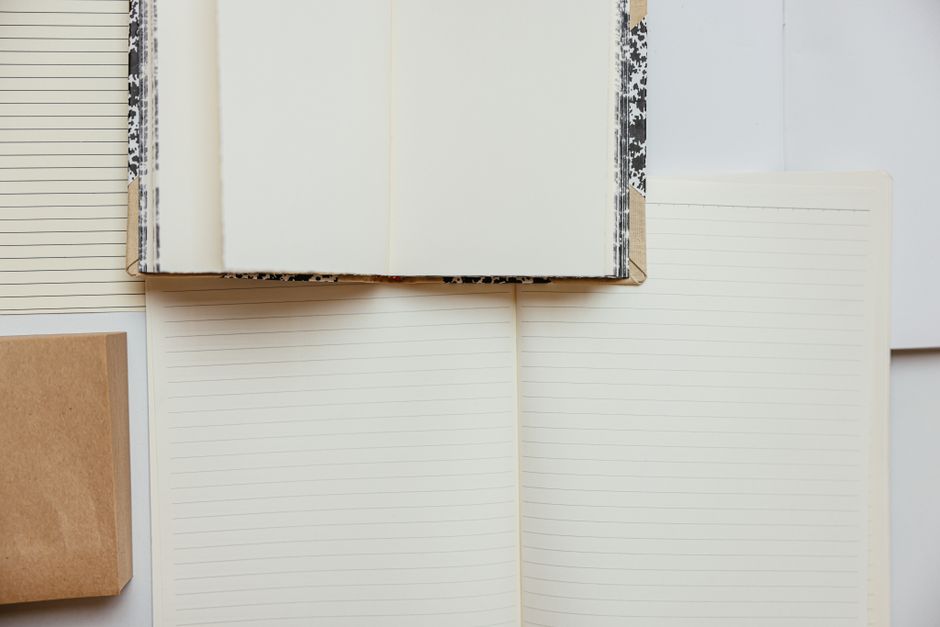
Kokuyo Campus — Japan's Most Popular Notebook
If you walk into any Japanese classroom, office, or convenience store, you will find Kokuyo Campus notebooks. They are the most popular notebooks in Japan, used by students, professionals, and creatives alike. The reason? Excellent quality at an affordable price.
Campus notebooks use Kokuyo's own high-quality writing paper. It is smooth, bright white, and handles most pens well (including fountain pens, though there is some ghosting with wet nibs). The paper is 80 gsm, thicker than most budget notebooks but not so thick that the book becomes heavy. Ruling options are extensive: 6 mm ruled, 7 mm ruled (B5 size), graph (5 mm grids), dot grid, and college rule.
The Campus line comes in multiple sizes (B5, A5, A4, and the semi-B5 that is standard in Japan) and binding styles: glue-bound (the standard Campus), spiral (Campus Spiral), and ring (Campus Loose Leaf). The semi-B5 size (179 x 252 mm) is the classic Campus format and the one you will see most in Japan.
What makes Campus special is the attention to detail. The pages are micro-perforated: they tear out cleanly without ragged edges. The cover is a stiff cardstock that won't curl. Each notebook includes a clear plastic cover to protect it in your bag. For $3-$6, you get a notebook that punches far above its price.
Best for: students, everyday note-taking, office use, budget-conscious writers.
Midori MD — Premium Minimalist
The Midori MD (Midori Design) notebook is the current darling of the fountain pen community and minimalist aesthetic lovers. Midori spent years developing their MD paper to get the perfect writing experience: a warm, cream-colored paper with just enough tooth to provide feedback without feeling scratchy, and excellent ink handling that shows off fountain pen shading and sheen.
MD paper is made from high-quality wood pulp and is acid-free (archival quality). It is around 80-90 gsm depending on the product, and has a soft, matte finish that is easy on the eyes. The paper handles fountain pens beautifully. Even wet nibs show minimal ghosting and almost no bleed-through. The way MD paper makes ink colors pop is genuinely impressive. I am always surprised by it.
The notebooks themselves are design-forward. The cover is unbleached white cardstock with a minimalist label. A clear plastic cover is included to protect it. The notebooks lie flat when open, a surprisingly important feature that many notebooks get wrong. They come in A5, A6, and B6 slim sizes, with ruled, blank, and grid options.
Best for: fountain pen users, journaling, anyone who values paper feel above all else, minimalist aesthetics.
Maruman Mnemosyne — The Professional's Choice
The Maruman Mnemosyne looks like a professional tool because it is designed to be one. With its distinctive off-white cover, lay-flat spiral binding, and micro-perforated tear-off sheets, the Mnemosyne is built for meetings, presentations, and ideation sessions.
Maruman uses a specially formulated paper that is ultra-smooth, almost glossy. This creates a writing experience that is noticeably different from MD's toothy paper or Campus's standard office paper. Ink sits on the surface rather than soaking in, which means colors look vivid and gel pens glide effortlessly. The trade-off is longer drying time. You need to be careful with fountain pens and wet ballpoints.
The Mnemosyne comes in a wide range of sizes (A5, B5, A4, and the unique N194A size) and rulings (grid, lined, blank, dot grid). The spiral binding on the top means left-handed writers won't fight with the spiral. The cardboard backing is rigid enough to write on without a desk.
Best for: professionals, meeting notes, left-handed writers, smooth-writing feel.
Life Noble Note — The Artisan Notebook
The Life Noble Note is made by Life Stationery Company, a small Japanese manufacturer that has been making high-end notebooks for over 70 years. The Noble Note uses a premium 88 gsm paper that is thicker than any other Japanese notebook on this list, thick enough that you can write on both sides with a wet fountain pen without any ghosting at all.
The paper has a unique off-white color that is warmer than the cream of Midori MD. It is smoother than MD but not as slick as Mnemosyne, a good middle ground. The paper is fountain-pen friendly, with excellent shading and sheen. Some users report that the paper reveals the character of each nib more than any other notebook. I think they might be right.
The Noble Note comes in A5 and B5 sizes, in ruled, blank, grid, and music score (yes, there is a stave-ruled version for musicians). The binding is high-quality thread-sewn glue-bound. It is not lay-flat, but it opens easily enough. The cover is Japanese cardstock with a refined, understated design.
Best for: fountain pen aficionados, musicians, anyone who wants the thickest, most luxurious paper.
Apica CD — The Student Staple
The Apica CD (College Diary) notebook is a Japanese institution. For decades it was the notebook of choice for Japanese students, and with millions sold it is still one of the most recognizable notebooks in the country. The Apica CD uses 60 gsm paper, thinner than Campus or MD, which keeps the notebook light and slim even with many pages.
The paper is bright white and smooth, with a slight gloss. It handles ballpoints and gel pens beautifully but shows significant ghosting with fountain pens (especially wet nibs). The CD is not designed for fountain pen users. It is designed for students who need a lightweight, affordable notebook that writes well with everyday pens.
The CD has a distinctive look: a simple colored cover (available in about 10 colors) with a white label and minimal text. The binding is thread-sewn, which makes it durable enough to survive a school year. The A5 size is the most popular, but it also comes in B5 and A4.
Best for: students, budget writing with gel pens and ballpoints, lightweight carry.
Tsubame Note — The Classic Revival
The Tsubame Note (also called the Tsubame Foolscap or Tsubame B5) has a special place in Japanese stationery history. It first appeared in the 1950s and became the standard notebook for Japanese businesses and schools. Production stopped in the early 2000s, but Tsubame was revived in 2020 after a nostalgic social media campaign. It is now back in production.
The Tsubame paper is iconic. It has a slightly rough, textured surface that provides excellent feedback. The paper is cream-colored and has a unique "feathering" effect. Fountain pen ink spreads microscopically along the paper fibers, revealing the ink's color profile in a way that smoother papers do not. This makes Tsubame paper ideal for ink sampling and calligraphy practice.
The notebook comes in B5 size (the classic "foolscap" format) with 7 mm ruled lines. The cover is a simple, uncoated cardstock in muted colors (navy, brown, cream, and the iconic "Tsubame blue"). The binding is high-quality thread-sewn.
Best for: calligraphy, ink sampling, fountain pen enthusiasts, nostalgia lovers.
Paper Quality Comparison
| Notebook | Paper Weight | Color | Surface | FP-Friendly | Ghosting | Bleed-Through |
|---|---|---|---|---|---|---|
| Kokuyo Campus | 80 gsm | Bright white | Smooth | Good (some ghosting) | Light | Rare |
| Midori MD | ~90 gsm | Cream | Toothy | Excellent | Minimal | Almost none |
| Maruman Mnemosyne | ~80 gsm | Off-white | Ultra-smooth | Good (slow drying) | Light | Rare |
| Life Noble Note | 88 gsm | Warm cream | Smooth | Excellent | None | None |
| Apica CD | 60 gsm | Bright white | Slightly glossy | Fair (significant ghosting) | Moderate | Possible with wet nibs |
| Tsubame Note | ~75 gsm | Cream | Textured / rough | Excellent (great ink character) | Light | Rare |
Binding Types — What's Right for You?
Glue-Bound (Glued Spine)
The most common Japanese notebook binding. Pages are glued into the spine. Functional and affordable, but notebooks won't lie flat without training. Most Kokuyo Campus, Life Noble, and Apica CD notebooks are glue-bound. The quality of the glue matters: cheap glue-bound notebooks lose pages, while well-made ones (like Life Noble) are thread-sewn AND glue-bound for durability.
Staple-Bound (Saddle-Stitched)
Found in thin notebooks (under 60 pages). Stapled through the fold. Simple, light, and cheap. The Midori MD notebook in the "MD Paper for" series uses staple binding. These notebooks lie flat easily and are great for portable use, but they do not hold many pages.
Ring Bound
Pages are held by metal or plastic rings running through punched holes. The Kokuyo Campus Loose Leaf is the classic example. Ring-bound notebooks are infinitely customizable (add, remove, and reorder pages), but the rings can dig into your hand if you write at the edge. The Maruman Mnemosyne uses a top spiral binding that avoids this problem entirely.
Spiral Bound
Not the same as ring-bound. Spiral binding uses a continuous wire coil. The Maruman Mnemosyne (top spiral) is the best-known example. Spiral notebooks lie completely flat and fold back on themselves. The top-spiral design is superior for left-handed writers and for anyone who needs to write across the full page.
Top Japanese Notebook Picks
Kokuyo Campus — B5 Semi, 6 mm Ruled (5-Pack)
The best value in Japanese notebooks. For under $15, you get five notebooks with micro-perforated pages, clear covers, and paper that handles 90% of pens with zero bleed-through. The semi-B5 is a perfect size: larger than A5 for real writing space, but compact enough to carry. This is the notebook that built Japan's note-taking culture.
Midori MD Notebook — A5, Dot Grid
The paper experience you have heard about is real. Writing on MD paper is genuinely different. The ink spreads perfectly, the cream color is easy on the eyes, and the toothy surface makes every stroke feel deliberate. The dot grid ruling works for writing, drawing, and layout. Pair it with a fountain pen for the full experience.
Maruman Mnemosyne — A5, 5 mm Grid, Top Spiral
The professional's daily driver. The ultra-smooth paper makes every pen feel better than it should. The top spiral lets you write edge-to-edge without fighting the binding. The micro-perforated sheets tear out cleanly. The rigid back means you can write anywhere. If you take a lot of meeting notes, this is the notebook.
Life Noble Note — A5, Lined
The thickest, most luxurious paper on this list. The 88 gsm paper eliminates ghosting completely. You can write on both sides with any pen. The warm cream color is beautiful. Life Stationery does not compromise on materials, and you can feel it on every page. A notebook that makes you want to write more.
Tsubame Note — B5, 7 mm Ruled (Navy Cover)
A piece of Japanese stationery history. The revived Tsubame notebook captures everything people loved about the original: the textured paper, the ink-feathering effect, the classic foolscap size. It is especially good for fountain pen users who want to see how their ink performs. Each ink looks different on Tsubame paper.