Best Japanese Brush Pens — Tombow Dual Brush, Pentel Aquash & Lettering Tools
Affiliate Disclosure: This site contains affiliate links. If you make a purchase through these links, we may earn a commission at no extra cost to you.
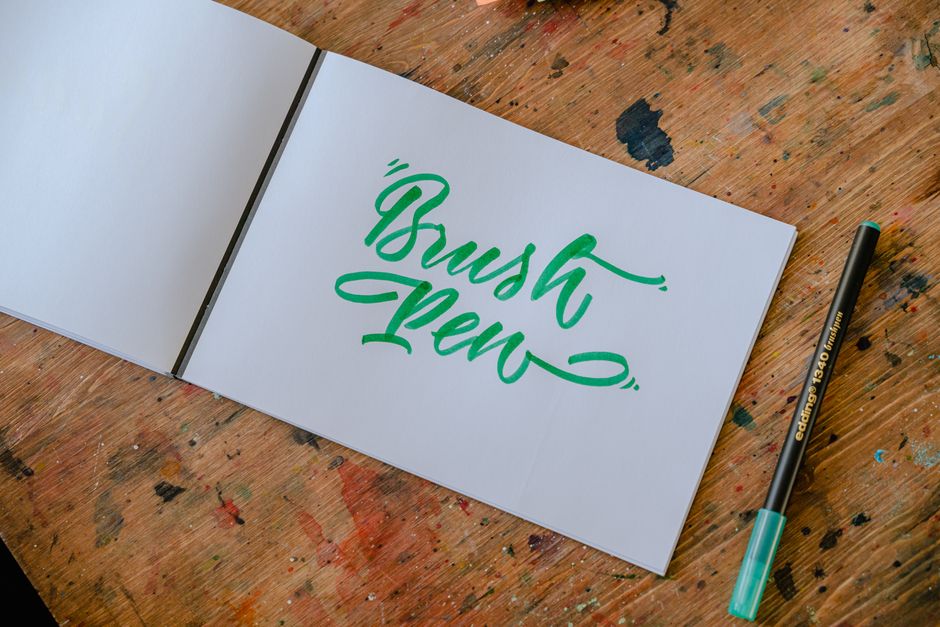
Tombow Dual Brush — The Icon
If you have seen brush lettering on Instagram or TikTok, you have seen Tombow Dual Brush Pens. They are the undisputed kings of the brush pen world. "Tombow" has become almost synonymous with "brush pen" in the stationery community.
The Dual Brush has two ends: a flexible brush tip and a fine 0.5 mm bullet tip on the other end. The brush tip is made from soft, resilient nylon fibers that hold their shape even after heavy use. It flexes easily for thick downstrokes and pulls into a fine point for thin upstrokes. That is the basic technique for modern brush lettering.
What makes Tombow truly special is the color range. There are 108 colors. That is not a typo. One hundred and eight. They are organized into color families (reds, oranges, yellows, greens, blues, purples, pinks, grays, and neutrals), making color coordination effortless. The ink is water-based and blendable. You can layer two colors on paper and blend them with a water brush or just by overlaying strokes.
The Dual Brush is also refillable. Tombow sells individual pens and replacement ink refills that let you recharge any color. The pens are sold individually, in themed packs (pastels, earth tones, brights, neons, grayscale), and in large sets (up to 108).
Best for: brush lettering, modern calligraphy, bullet journal headers, coloring, illustration.
Pentel Aquash Water Brush — The Blending Tool
The Pentel Aquash Water Brush is a different kind of brush pen entirely. It does not contain ink. It contains water. The barrel is a flexible plastic squeeze bottle with a brush tip at the end. When you squeeze, water flows through the brush, letting you "paint" with water.
What is that useful for? Everything. You load the barrel with water (or a very dilute ink/watercolor mix) and use it to blend Tombow Dual Brush strokes together, activate and spread watercolor pans, lift color off the page for highlights, soften and blend colored pencil and pastel work, and dilute and spread fountain pen ink for wash effects.
The Aquash comes in three tip sizes: fine (round point), medium (bullet shape), and broad (flat chisel tip). The medium is the most versatile for general use. The brush tip is synthetic and fairly firm. It won't flex like a natural hair brush, but it holds its shape and is easy to control.
In my opinion every Tombow user should own at least one Pentel Aquash. The combination of Tombow Dual Brush for color and Pentel Aquash for blending is the best lettering setup you can get.
Best for: blending, watercolor painting, softening hard lines, mixed media work.
Kuretake Zig Brushables — Watercolor in a Pen
The Kuretake Zig Brushables are Tombow's direct competitor. In some ways, I think they are better. Like Tombow, the Zig Brushables have a flexible brush tip and a fine bullet tip on the other end. The key difference is the ink formulation: Zig Brushable ink is designed to be reactivated with water even after it has dried.
This means you can write or draw with a Zig Brushable, let it dry completely, then come back with a water brush and blend the strokes together like watercolor. The dried ink dissolves back into liquid when wet. This makes the Zig Brushables significantly more versatile than Tombow for watercolor-style illustration. You can build up layers over multiple sessions and still blend them afterward.
The color range is smaller than Tombow (48 colors vs 108), but every color is well-chosen. The brush tip is slightly firmer than Tombow's, which some users prefer for more controlled lettering. The barrels are hexagonal and slightly longer than Tombow's. They feel different in hand, so it is worth trying both.
Best for: watercolor illustration, layering, blending with water brush, mixed media art.
Sakura Pigma Brush — The Reliable Workhorse
The Sakura Pigma Brush is part of Sakura's legendary Pigma Micron family. The Pigma Brush uses the same archival, pH-neutral, waterproof pigment ink that made Micron pens famous, with a flexible brush tip instead of a rigid point.
The ink is the standout feature here. Pigma ink is archival (won't fade for generations), waterproof (won't run if you watercolor over it), quick-drying (no smudging), and compatible with virtually any other medium. If you are creating artwork that needs to last (commissions, original pieces, or journaling you want to preserve), Pigma Brush is the safest choice.
The brush tip is firmer than Tombow and Kuretake. It is less flexible and gives less line variation. This makes it better for controlled drawing and worse for expressive calligraphy. The Pigma Brush comes in one size (a medium brush tip) and is available in black, sepia, and a few other colors. It is also available as part of the larger Pigma Micron set.
Best for: archival artwork, ink and wash, line-and-wash illustration, mixed media where waterproof ink is essential.
Calligraphy vs Lettering vs Illustration
Japanese brush pens serve three overlapping but distinct creative practices. Understanding the difference helps you choose the right pen and the right approach.
Calligraphy is the art of beautiful writing. Traditional calligraphy uses a nib (dip pen or fountain pen) or a brush with ink, and the focus is on letterforms, spacing, and rhythm. Modern brush calligraphy uses brush pens to create similar effects. Tombow Dual Brush is the most popular tool for brush calligraphy because the flexible tip gives you the line variation that calligraphy demands.
Lettering is the art of drawing letters. Unlike calligraphy, where you write letters, lettering involves sketching, outlining, and filling. Lettering artists use brush pens to create compositions, banners, headers, and decorative text for bullet journals, signs, and social media. The Tombow Dual Brush (for color) and Sakura Pigma Brush (for clean outlines) are the letterer's go-tos.
Illustration is the broadest category. Japanese brush pens are used for watercolor-style painting (Kuretake Zig + Pentel Aquash), sketching and rendering (Tombow Dual Brush grayscale sets are a favorite), and mixed media art. Illustration benefits most from having a variety of brush pens with different ink properties and tip flexibilities.
Many practitioners blend all three. Lettering a header with Tombow, outlining with Pigma, and adding watercolor washes with Kuretake Zig and Pentel Aquash. The tools are designed to work together.
Top Picks by Use Case
| Use Case | Top Pick | Why |
|---|---|---|
| Beginners learning brush lettering | Tombow Dual Brush (starter set of 10-20 colors) | Forgiving tip, huge color range, well-documented technique |
| Artists / illustrators | Kuretake Zig Brushables + Pentel Aquash | Water-reactive ink makes them true watercolor tools |
| Lettering enthusiasts | Tombow Dual Brush (108 color set) | Unmatched color range for gradations and blends |
| Line-and-wash artists | Sakura Pigma Brush (black + sepia) | Waterproof archival ink that won't bleed under wash |
| Mixed media creators | Tombow + Pentel Aquash + Sakura Pigma (all three) | Each covers a different need; they are fully compatible |
Top Japanese Brush Pen Picks
Tombow Dual Brush Pen — 10-Color Starter Set (Pastel & Primary)
The best entry point into brush lettering. These 10 colors cover the essentials: black, gray, blue, red, green, purple, pink, orange, yellow, and light brown. Use the brush tip for lettering and the bullet tip for borders and doodles. The Tombow is the pen that millions of people learned brush lettering on. It is the standard for a reason.
Tombow Dual Brush Pen — Complete 108-Color Set
The complete collection. Every color Tombow makes, in a hard case with individual slots. The 108-color set is the prize possession of many lettering artists. It lets you create smooth color gradations, match any color scheme, and never run out of options. Yes, it is expensive. Yes, it is worth it if you are serious about lettering.
Pentel Aquash Water Brush — Medium Tip (3-Pack)
Every brush pen user needs at least one Aquash. Buy a 3-pack (medium is the most versatile) and keep one loaded with clean water for blending, one with a dilute ink mix for sketching, and one in reserve. The squeeze-bottle barrel gives you precise control over water flow. This is the unsung hero of the brush pen world.
Kuretake Zig Brushables — 24-Color Set
The watercolorist's brush pen. The water-reactive ink is genuinely different from Tombow's. You can layer, blend, and re-wet it days later as if it were fresh watercolor. The 24-color set gives you a complete palette for illustration. Pair with a Pentel Aquash for a great watercolor-on-the-go setup.
Sakura Pigma Brush — Black + Sepia, 2-Pack
The archival choice. Use the black Pigma Brush for line work that needs to last forever. Commissions, artwork, journals you want to pass down. The sepia is a warmer alternative that pairs beautifully with watercolor. The waterproof ink means you can paint over your lines without fear of bleeding. Essential for any ink-and-wash artist.