What Is Japanese Stationery? A Complete Guide to the World's Best Pens, Notebooks & Planners
Affiliate Disclosure: This site contains affiliate links. If you make a purchase through these links, we may earn a commission at no extra cost to you.
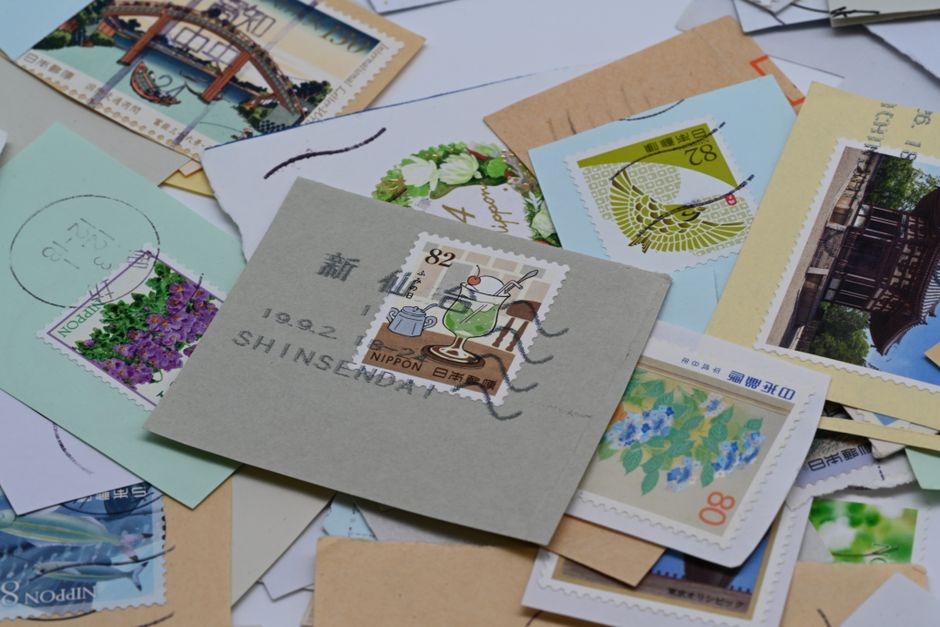
- Japanese stationery is defined by uncompromising quality, relentless innovation, and deliberate design philosophy rooted in ma (purposeful empty space).
- Ten major brands dominate the landscape: Pilot, Uni, Zebra, Pentel, Kokuyo, Tombow, Midori, Sailor, Platinum, and Sakura — each with distinct specialties and devoted followings.
- Entry-level products ($3–$15) are genuinely excellent, making Japanese stationery accessible to everyone while premium tiers offer heirloom-quality craftsmanship.
- Japanese stationery outperforms Western equivalents in most categories, with finer nibs, smoother ink, better paper, and more innovative mechanisms.
What Defines Japanese Stationery?
Walk into any stationery store in Tokyo — the legendary Itoya in Ginza, a cramped bunbougu shop in a back alley, or a massive Loft department store — and you’ll feel something different. The shelves aren’t just stocked with writing tools. They’re curated collections of precision instruments, each designed with an obsessive attention to detail that borders on art.
Japanese stationery isn’t just a product category. It’s a philosophy. And in my opinion, three pillars define it.
Uncompromising Quality
Japanese manufacturers hold themselves to a quality standard that goes far beyond “good enough.” A Pilot gel pen is engineered to write smoothly from the first stroke to the last drop of ink. A Kokuyo Campus notebook is designed so every single page lies flat, and the paper works with fountain pens, gel pens, and highlighters without bleeding or feathering.
This level of quality doesn’t happen by accident. It comes from decades of iterative refinement, where each generation improves on the last by small, measurable steps. The Tombow MONO eraser has been continuously refined since 1969 — its formula tweaked, its packaging redesigned, its performance optimized until it became the eraser everyone else tries to beat.
Relentless Innovation
Japanese stationery companies don’t sit still. They push what a writing instrument can do.
Take the mechanical pencil: the Uni Kuru Toga rotates the lead slightly with every stroke to keep a sharp point, solving a problem that pencil users have accepted for over a century.
Or consider gel pens: the Zebra Sarasa Grand pairs a premium metal body with the smooth Sarasa gel ink refill system, so you don’t have to choose between looks and performance.
And in brush pens, the Tombow Dual Brush Pen practically invented a new category of water-based brush pen for lettering and illustration — it went from a single product to a creative movement.
Innovation shows up in materials too. Midori’s MD paper comes from years of research into how paper interacts with different inks. Kokuyo developed binder rings that don’t clatter. Pilot created the Capless fountain pen, a retractable fountain pen with no cap needed.
These aren’t gimmicks. They’re real engineering solutions to actual frustrations people have with writing.
Deliberate Design Philosophy
The Japanese aesthetic principle of ma (the purposeful use of empty space) runs through stationery design. Look at a Midori MD notebook. No branding on the cover, no loud graphics, no marketing copy.
Just a clean, minimalist cotton cover with subtle foil stamping. The restraint is the whole point. The design is meant to disappear, leaving only the writing experience.
This carries over to packaging, which is often as carefully considered as the product itself. Many Japanese stationery items arrive in boxes you’d want to keep. It’s an approach that treats the whole experience — from unboxing to first use to years of ownership — as part of the product.
Major Brands Overview
Japan has dozens of stationery brands, but ten names dominate. Each has its own history, specialties, and devoted fans.
Pilot (Founded 1918)
Pilot is the world’s largest pen manufacturer by a wide margin. Founded in 1918 by Ryosuke Namiki, the company initially made fountain pens under the Namiki name before rebranding as Pilot in 1938. Today, Pilot’s range goes from the ubiquitous Pilot G2 gel pen (the best-selling gel pen in the world) to high-end fountain pens like the Pilot Custom 823 and the legendary Namiki urushi lacquer pens.
Why Pilot Stands Out
Pilot’s strength is accessibility. Their fountain pens, from the $15 Metropolitan to the $30 Prera to the $160 Custom 74, offer great value at every level. Their gel pens (the G2, Juice, Juice Up, and Hi-Tecpoint series) are the go-to choice for millions of writers, students, and professionals worldwide. I’ve personally been using a Pilot G2 for years and I still haven’t found a better everyday pen.
Uni (Mitsubishi Pencil, Founded 1887)
Uni is the pen brand of Mitsubishi Pencil, one of Japan’s oldest stationery companies. The name “Uni” is short for “unique,” and they live up to it. Uni is best known for the Uni-ball Signo gel pen (the first with pigment-based gel ink), the Jetstream ballpoint (famously the smoothest ballpoint around), and the Kuru Toga mechanical pencil with its rotating lead mechanism.
Limited Editions & Collectibility
Uni is also famous for limited-edition releases. The Uni-ball One series, with its ultra-dark “tako” (octopus) black ink, has become a cult item among stationery fans. Their Kuru Toga line alone has dozens of variants, from the basic $7 model to the $40 Kuru Toga Dive with automatic lead advancement.
Zebra (Founded 1897)
Zebra started as a pen parts manufacturer and grew into a major brand with two products that define entire categories. The Sarasa gel pen is one of the smoothest, most reliable gel pens money can buy, consistently ranked alongside the Pilot G2 and Uni Signo as the best in class. The Mildliner highlighter, introduced in 2014, reinvented the highlighter with its soft, muted color palette that doesn’t overpower the page.
Design & Desk Appeal
Zebra’s Sarasa Grand series, with its sleek metal barrel, has become a favorite among people who care about how their desk looks. The Mildliner’s 40-plus color range has made it essential for bullet journalists and planners.
Pentel (Founded 1946)
Pentel basically invented the modern mechanical pencil. They launched the world’s first retractable mechanical pencil in 1960 and haven’t stopped innovating since. Today, Pentel’s EnerGel series is one of the fastest-drying gel pens around, and their Orenz mechanical pencil has a sliding lead sleeve that lets you write with the lead extended extremely short — no clicking required.
Beyond Mechanical Pencils
Pentel also makes the Graph Gear 1000, probably the most popular mechanical pencil among draftsmen and architects, plus a huge range of art supplies including oil pastels, watercolors, and sign pens.
Kokuyo (Founded 1905)
If Pilot makes the pens Japan writes with, Kokuyo makes the paper they write on. Kokuyo is Japan’s largest stationery manufacturer, and their Campus notebook is the most famous school notebook in the country, used by generations of Japanese students.
The Kokuyo Ecosystem
Beyond notebooks, Kokuyo makes the Jibun Techo planner system (a direct competitor to Hobonichi), the clever Gloo adhesive stick (which applies glue in neat dots), and a huge range of office supplies, filing systems, and furniture. Their “Kokuyo Design Award” program picks innovative stationery designs from around the world each year.
Tombow (Founded 1913)
Tombow is best known for two iconic products. The Tombow MONO eraser, with its blue, white, and black striped packaging, might be the most recognizable eraser on the planet. The Tombow Dual Brush Pen created a whole new category of water-based brush pens for calligraphy, lettering, and illustration.
Beyond the MONO
Tombow’s MONO graph mechanical pencil is also a standout, with its diamond-patterned grip and built-in eraser that retracts into the pencil. The company’s product line is more focused than some competitors, but virtually everything they make is top-notch.
Midori (Founded 1950)
Midori is the brand for stationery purists. Started as a printing company, Midori launched the Traveler’s Notebook in 2006 and it became an instant hit. The concept is simple: a leather cover with elastic bands that hold interchangeable insert notebooks. You customize it with different paper types, sizes, and accessories. It’s less a notebook and more a modular life-logging system.
The Midori Philosophy
Midori’s MD Paper is equally loved. It’s a high-quality, uncoated paper made specifically for fountain pen users, with a subtle texture that gives just the right amount of feedback. The MD Notebook series — with its minimal cloth-bound cover, thread-stitched binding, and total lack of branding — is the ideal notebook for many enthusiasts. I use one myself.
Sailor (Founded 1911)
Sailor is Japan’s oldest fountain pen manufacturer, founded in 1911 in Hiroshima. Their fountain pens are legendary among enthusiasts for exceptionally smooth nibs that are polished by hand. Sailor’s proprietary ink tech, including nano-pigment inks, is some of the most advanced in the world.
The Sailor Legacy
The Sailor Professional Gear and 1911 series are icons of fountain pen design. Their limited-edition pens, often released in collaboration with stationery shops around the world, command premium prices and sell out fast. Sailor also produces the popular Shikiori ink line, themed around Japanese seasons, poems, and landscapes.
Platinum (Founded 1919)
Platinum rounds out Japan’s “big three” fountain pen makers alongside Pilot and Sailor. Founded in 1919, Platinum is known for practical innovations like the Slip & Seal cap mechanism, which keeps fountain pens from drying out for over a year. Their Platinum Preppy is probably the best-value fountain pen out there — a $5 pen that writes as smoothly as pens costing ten times as much.
From Preppy to Premium
Platinum’s higher-end pens, like the #3776 Century and the Procyon, are respected alternatives to Pilot and Sailor offerings. Their Carbon Black ink is the benchmark for waterproof, pigment-based fountain pen ink.
Sakura (Founded 1921)
Sakura Color Products is best known for two products that achieved iconic status. The Sakura Gelly Roll, launched in 1984, was the world’s first gel pen — a product that created a whole new category of writing instrument. The Gelly Roll is still going strong, available in dozens of colors and effects including metallic, stardust, moonlight, and glow-in-the-dark.
Two Iconic Inventions
Sakura’s Pigma Micron is the gold standard for archival-quality illustration pens. With pigment-based, waterproof, fade-resistant ink, the Micron is the preferred tool of manga artists, illustrators, and architects worldwide. Sakura also makes the SumoGrip eraser, a serious challenger to the Tombow MONO.
Categories Overview
Pens
Japanese pens dominate every subcategory. In gel pens, the battle between Pilot G2, Uni Signo, Zebra Sarasa, and Pentel EnerGel is legendary — each has passionate defenders, and each writes a little differently. The Pilot Juice Up adds a needle-point tip for precision, the Uni-ball One features ultra-dark ink, and the Zebra Sarasa Clip has a locking clip so it doesn’t rattle.
In fountain pens, Japan’s “big three” (Pilot, Sailor, and Platinum) offer everything from $5 disposable pens to thousand-dollar urushi-lacquered masterpieces. Japanese fountain pen nibs are typically finer than Western ones, which makes sense when you’re writing kanji characters.
Ballpoint pens see fierce competition too, with Uni’s Jetstream (the world’s smoothest ballpoint) and Pilot’s Acroball leading the pack. And for brush pens, Tombow’s Dual Brush and Pentel’s Aquash are the undisputed leaders.
Pencils & Mechanical Pencils
Mechanical pencils are a surprisingly serious category in Japan. The Uni Kuru Toga’s rotating lead mechanism is a genuine engineering marvel. Pentel’s Orenz uses a sliding sleeve that lets you write with an incredibly fine 0.2mm or 0.3mm lead.
The Pilot S20 is a wooden-bodied mechanical pencil that looks traditional but works like a precision instrument. Traditional wood pencils shouldn’t be overlooked either. Tombow’s MONO 100 is often called the finest pencil money can buy, with dense, smooth graphite and a flawless finish. Kitaboshi and Mitsubishi Hi-Uni pencils are similarly well-regarded.
Notebooks & Paper
Japanese notebook paper is famous for being fountain-pen-friendly. The Kokuyo Campus notebook uses paper that prevents bleeding and feathering while staying smooth.
The Midori MD notebook uses uncoated paper that develops a beautiful patina over time. The Maruman Mnemosyne uses ultra-smooth, professional-grade paper that’s ideal for detailed note-taking and sketching.
Then there’s Tomoe River paper, famously thin, strong, and fountain-pen-friendly. Hobonichi planners use Tomoe River paper to pack a full year of daily pages into a surprisingly slim book. The paper is so thin you can see ghosting of text from the other side, but it handles fountain pen ink, gel ink, and even watercolor with minimal show-through.
Erasers
Japanese erasers are a category where Japan truly stands apart. The Tombow MONO is the king, available in several grades (soft, standard, heavy-duty) and iconic in design.
But Kokuyo’s resin eraser, the Sakura SumoGrip with its chunky ergonomic shape, and the Pilot Foam eraser with its unique material are all excellent choices. Some collectors buy Japanese erasers just for the packaging — many feature limited-edition designs.
Planners & Organizers
The Japanese planner scene is a world unto itself. The Hobonichi Techo, launched in 2005, became a cultural phenomenon — its combination of Tomoe River paper, daily page layout, and a passionate community of users created a movement.
The Kokuyo Jibun Techo is the productivity-focused alternative, with a sophisticated system of monthly, weekly, and daily layouts. The Midori Traveler’s Notebook offers a more freeform, modular approach.
These planners aren’t just tools. They’re hobbies. People spend hours decorating their pages with washi tape, stickers, stamps, and illustrations. The “planner community” on Instagram, YouTube, and TikTok is one of the most active creative communities online.
Washi Tape & Accessories
Washi tape was invented by the Japanese company MT (Masking Tape) in the 2000s, and it sparked a global crafting revolution. Unlike standard masking tape, washi tape is made from natural Japanese paper (washi), comes in thousands of patterns and colors, and can be repositioned without damaging paper.
Beyond washi tape, Japanese accessory makers produce an endless array of pen cases (Lihit Lab, Hightide, Delfonics), scissors (Kokuyo’s HASA scissors), rulers, stamps, ink, and organizational tools that turn a desk into a curated workspace.
Why People Collect Japanese Stationery
There’s a reason we’re building this site using the “blind box playbook.” Japanese stationery taps into the same collector psychology that drives blind boxes, trading cards, and sneaker collecting.
Look at how the brands release products. Uni puts out limited-edition Jetstream colors every season. Sailor drops dozens of fountain pen color variants, some exclusive to specific retailers in specific cities.
Tombow issues collaboration Dual Brush Pen sets with artists and designers. Kokuyo produces stationery that changes with the academic year. Midori releases limited Traveler’s Notebook editions.
Each release creates a little fear of missing out that drives sales. But there’s more to it. I think Japanese stationery collecting satisfies a few psychological needs:
- The dopamine hit of acquisition: Each new pen, notebook, or eraser brings a small burst of pleasure. Most items are cheap enough that you can get that hit often without breaking the bank.
- Completeness compulsion: When a brand releases a 40-color set of Mildliners, something in the collector brain says, “You need all of them.” The urge to complete a set is one of the strongest drivers of collectible behavior.
- Self-expression through curation: Your stationery collection becomes an extension of who you are. The pens you choose, the notebooks you use, how you organize your desk — it all says something about you.
- Community and belonging: Stationery collecting is social. Sharing your haul on Reddit, showing off your desk setup on Instagram, comparing planner layouts with fellow Hobonichi users — these are ways of connecting with like-minded people.
The parallels to blind box collecting are striking. Both involve limited releases, variant hunting, a community of collectors, and the joy of unboxing.
The main difference? Stationery is actually useful. Every pen you buy will eventually write, every notebook will be filled with ideas, every planner will help organize someone’s life. That utility gives collecting a veneer of practicality, even when you have forty gel pens in rotation.
Japanese vs. Western Stationery: Key Differences
This is the question that gets stationery enthusiasts heated. Is Japanese stationery actually better, or is it just preference?
The honest answer: in many categories, Japanese products are objectively better. But “better” depends on what you value.
| Category | Japanese Advantage | Western Advantage |
|---|---|---|
| Gel Pens | Smoother ink flow, more color options, finer tip sizes, better ink chemistry (pigment-based options) | Bolder, wetter lines; wider availability in office supply stores |
| Notebooks | Fountain-pen-friendly paper, thinner/lighter, more binding options (stitched, glue, ring), lay-flat design standard | Thicker paper (some prefer the feel), harder covers, more widely available in standard sizes |
| Mechanical Pencils | More mechanism innovations (lead rotation, sliding sleeves), finer lead sizes (0.2mm, 0.3mm), better build quality at lower prices | Often more robust/heavy-duty (Rotring, Staedtler), draftsperson focus, metal construction standard |
| Fountain Pens | Finer nibs, better quality control at entry level, slip-cap mechanisms, more affordable urushi and maki-e options | Wetter writers, broader nib selection (EF to BB and stubs), more ink capacity (piston fillers common) |
| Planners | More specialized layouts, better paper quality, extensive accessory ecosystems | More traditional layouts, bigger formats (A4, letter), often more affordable |
| Erasers | Softer, cleaner erasing with less smudging; iconic design; collectible packaging | More durable, less prone to crumbling; greater availability in bulk |
Beyond the products themselves, there’s a cultural difference in how stationery is approached. In Japan, writing tools are treated as personal instruments. The relationship between a person and their pen carries weight.
Students are taught to care for their stationery. Offices stock quality paper. The act of writing feels, in some small way, ceremonial.
In Western markets, stationery has historically been treated as a commodity — a disposable tool to use and discard. The rise of Japanese stationery in the West has changed that mindset. More and more, American and European consumers are demanding the same level of quality and design that Japanese users have enjoyed for decades.
Price Ranges & What to Expect
One of the best things about Japanese stationery is that the entry-level stuff is genuinely good. You don’t need to spend hundreds to get a great writing experience. Here’s what you can expect at different price points:
Budget Tier ($3 – $15)
At this level, you’re getting the everyday products Japanese students and professionals use. A Pilot G2, Uni Signo RT1, or Zebra Sarasa Clip runs $3–$5 and writes as well as premium pens from most Western brands. A Kokuyo Campus notebook costs $8–$12 and is arguably the best value in notebooks. The Platinum Preppy fountain pen at $5 is a genuine masterpiece of affordable engineering.
Mid-Range ($15 – $60)
This is the sweet spot for enthusiasts. You can get a Pilot Metropolitan fountain pen ($20) that rivals pens costing five times as much. A Uni Kuru Toga mechanical pencil ($15–$25) with its rotating lead mechanism. A Zebra Sarasa Grand gel pen with a metal barrel ($15). A Midori MD notebook ($18–$25). A Kokuyo Jibun Techo planner ($30–$50). At this tier, build quality jumps noticeably, and you start seeing premium materials and design touches.
Premium Tier ($60 – $200)
Here you’re in serious enthusiast territory. A Pilot Custom 74 fountain pen ($160) with a 14k gold nib. A Sailor Pro Gear Slim ($180) with that legendary nib smoothness. A Midori Traveler’s Notebook leather cover ($60) plus inserts. A limited-edition Uni Jetstream in a special colorway ($80+). These are the products stationery collectors discuss, review, and covet.
Luxury Tier ($200+)
At the top end, you’re looking at handcrafted fountain pens with gold nibs, urushi lacquer, raden (mother-of-pearl inlay), and maki-e (gold dust painting). A Pilot Custom Urushi ($800+), a Sailor King of Pens ($700+), or a Namiki Yukari Royale in maki-e ($2,000+). These are heirloom-quality instruments, often made by master artisans. Few people start here, but many collectors work toward owning one.
The beauty of Japanese stationery is that the budget tier is genuinely good. Unlike many hobbies where entry-level products are compromised, you can start with a $4 pen and a $10 notebook and have a genuinely excellent writing experience. The diminishing returns curve is remarkably gentle.
How to Get Started With Japanese Stationery
If you’re new to Japanese stationery, welcome. Here’s a no-regrets starter kit that gives you a taste of the best the category has to offer without spending a fortune:
The Essentials Kit ($30 – $50 total)
- One gel pen: Pick any of Pilot G2 (0.5 or 0.7mm), Uni Signo RT1 (0.38 or 0.5mm), or Zebra Sarasa Clip (0.5mm). They’re all excellent. Try one and see if you like the writing feel.
- One fountain pen: The Platinum Preppy ($5) is the best introduction to fountain pens. If you want something nicer, the Pilot Metropolitan ($20) or Platinum Plaisir ($15) are step-ups with metal bodies.
- One notebook: A Kokuyo Campus B5 notebook ($10) is the safest bet. It’s fountain-pen-friendly, lies flat, and has excellent paper quality. For a more premium feel, try a Midori MD notebook ($18).
- One mechanical pencil: The Pentel P205 ($7) is a classic for a reason. The Uni Kuru Toga ($15) is more interesting mechanically.
- One eraser: The Tombow MONO small ($2) is iconic and excellent.
Where to Buy
The biggest Japanese stationery specialty retailer is JetPens, based in California, which stocks an enormous range and ships internationally. Amazon carries most popular items.
For authentic Japanese products, Yoseka Stationery (New York) and Goods for the Study (London) are excellent specialty shops. For the best prices, buying directly from Japanese retailers like Stationery Station or Amazon Japan (with a forwarding service) can be worth it for large orders.
What to Explore Next
Once you’ve got the essentials, dive deeper into the categories that interest you. Try different pen tip sizes (Japanese pens come in finer sizes than Western pens — a 0.38mm gel pen is a very different experience from a 0.7mm).
Experiment with planners (a Hobonichi Weeks or Jibun Techo Mini is a good entry point). Try washi tape for decorating your notebook covers. Explore fountain pen inks (Sailor Shikiori and Pilot Iroshizuku are superb starting points).
Above all, enjoy the process. Japanese stationery isn’t a destination. It’s a journey. Each new pen, each new notebook, each new discovery adds to the experience. The best collection is the one that brings you joy to use.